The Future of Luxury Home Cinema
Immersive Cinema, Engineered Without Compromise
Luxury home cinema has evolved far beyond the traditional concept of a projector, screen and surround-sound receiver.
Today’s reference-level systems combine high-channel-count immersive audio, high-dynamic-range video, laser projection, residential LED and microLED technologies, advanced acoustic engineering and intelligent automation into a single, precisely calibrated environment.
The result is not simply better picture and sound. It is a more convincing sense of scale, depth, realism and immersion.
At UK Home Cinemas, we approach every project as a complete system. The room, acoustics, loudspeakers, amplification, processing, display technology, networking, control and architectural finishes are considered together from the outset.
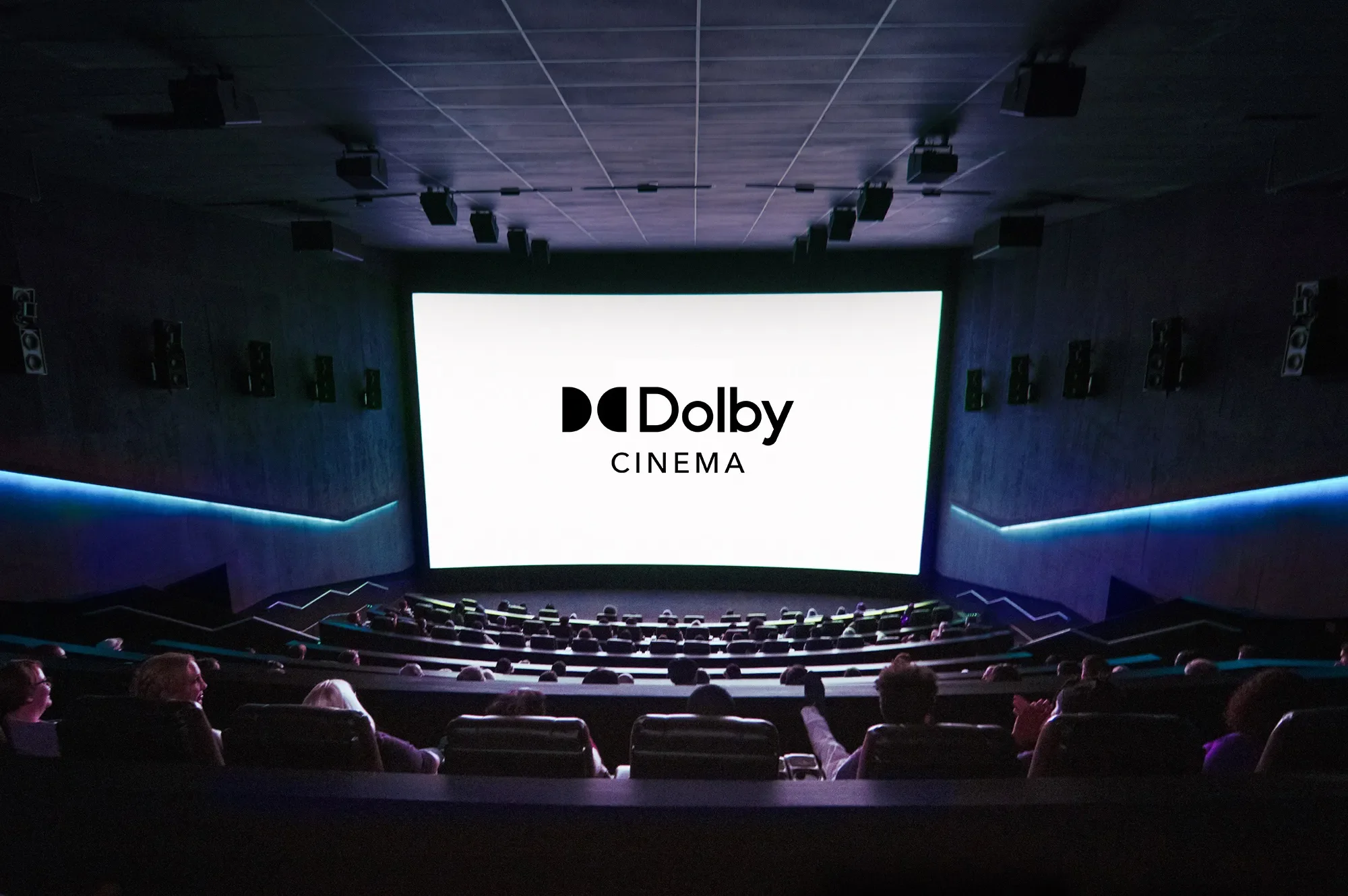
Immersive Audio: Moving Beyond Surround Sound
Modern cinema sound is increasingly defined by object-based audio rather than traditional channel-based surround configurations.
Formats such as Dolby Atmos allow individual sounds, or "objects", to be positioned within a three-dimensional listening environment. Rather than simply directing a soundtrack to a particular speaker, the processor determines where an object should exist within the soundfield and dynamically distributes it across the available loudspeaker array.
This creates a much more precise and convincing three-dimensional acoustic image.
In a luxury installation, this can mean moving beyond conventional 7.1.4 systems towards configurations such as 9.x.6, 11.x.6 and larger systems where room dimensions and seating positions justify the additional channels.
The additional loudspeakers are not simply about making the system louder. They increase spatial resolution, allowing the processor to create smoother transitions and more accurate localisation as sounds move around and above the listener.
A carefully designed immersive system can create an acoustic environment in which dialogue remains anchored to the screen while music, effects and atmospheric details extend seamlessly around the room.
You may hear rain falling overhead, an aircraft travelling continuously across the ceiling or an object moving smoothly from one side of the room to the other.
Reference-Grade Processing and Calibration
At the heart of a high-performance cinema is the processor.
Premium platforms such as Trinnov Audio and StormAudio provide sophisticated immersive decoding, bass management, loudspeaker routing, matrixing, room correction and system configuration.
Advanced room optimisation goes significantly beyond simply setting speaker distances and levels.
The processor can analyse the acoustic response of individual loudspeakers, identify differences in frequency response and timing, and apply carefully calculated filters and delays to create a more coherent listening environment.
For high-end installations, calibration can also consider multiple seating positions, crossover integration, subwoofer alignment and the relationship between the low-frequency system and the main loudspeaker array.
The objective is not to make every speaker sound identical in isolation. It is to make the entire room behave as a single, coherent acoustic system.
High-Channel-Count Bass Management
Low-frequency reproduction is one of the most important aspects of a cinema, yet it is often one of the least understood.
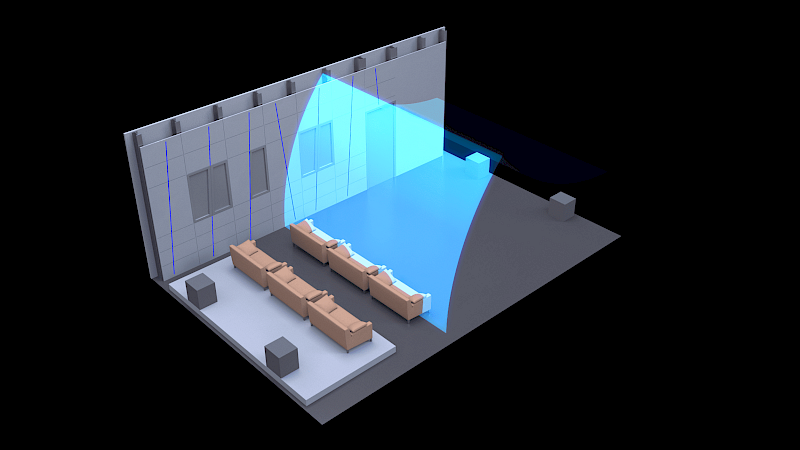
Rather than simply installing a large subwoofer, a properly engineered cinema considers the interaction between subwoofers, room dimensions, seating positions and acoustic treatment.
Multiple subwoofers can be strategically positioned throughout the room to reduce the variation in bass response between seats.
This can dramatically improve consistency across the listening area, reducing the deep peaks and nulls created by room modes.
Sophisticated processors can then integrate the subwoofer system with the main loudspeakers, managing crossover frequencies, phase, delay and equalisation.
The result is tighter, more controlled and more even bass rather than simply greater volume.
The Screen Is Part of the Audio System
In a serious cinema, the relationship between the image and sound is critical.
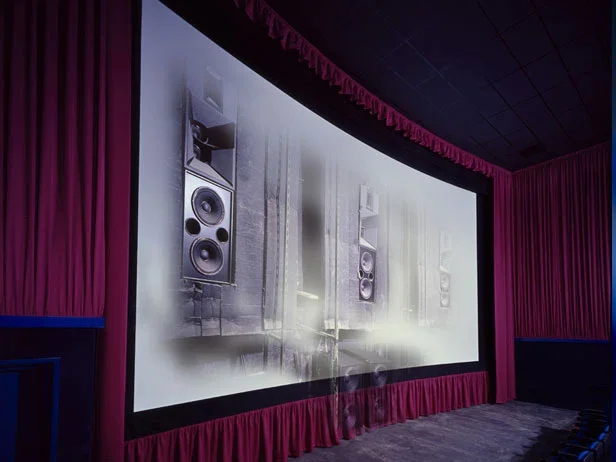
Acoustically transparent projection screens allow the front left, centre and right loudspeakers to be positioned directly behind the image.
This creates a far more convincing relationship between dialogue and the people appearing on screen.
Rather than having the centre speaker below or above a screen, the dialogue can originate directly from the centre of the image.
For cinemas using very large screens, this becomes particularly important. The larger the image becomes, the more obvious it can be when the sound does not appear to come from the correct position.
A correctly designed screen, speaker layout and acoustic treatment therefore form part of the same engineering solution.

LED, MicroLED and Direct-View Cinema
Residential LED and microLED technology is becoming an increasingly compelling alternative to conventional projection.
Direct-view LED systems generate the image directly at the display surface, eliminating the optical path between a projector and screen.
This can provide exceptional brightness, contrast, colour saturation and image uniformity.
For certain applications, large-format LED can offer an extremely striking presentation, particularly where very high brightness or HDR performance is a priority.
Fine-pitch LED technology can also support exceptionally large images while maintaining a clean, detailed presentation at normal cinema viewing distances.
For reference installations, LED processors, calibration and signal distribution are just as important as the display itself. The entire video chain must be designed to maintain the integrity of the source material from playback device through processing and ultimately to the display.
High-End Laser Projection
Projection remains the preferred solution for many dedicated cinema environments, particularly where an exceptionally large cinematic image is required.
Modern laser projectors offer significant advantages over traditional lamp-based systems, including high and consistent light output, extended operating life, faster start-up and improved colour stability over time.
Premium projectors from manufacturers such as Barco, Sony and JVC can deliver highly detailed images with sophisticated HDR processing, wide colour gamuts and extremely precise lens and optical systems.
For a dedicated cinema, projector selection cannot be based solely on resolution.
Screen size, gain, viewing distance, room dimensions, throw distance, lens shift, ambient light, HDR requirements and desired luminance all need to be considered.
We calculate and model the complete projection system to ensure the projector is operating within an appropriate performance envelope.

HDR and Cinematic Dynamic Range
High Dynamic Range has changed the way modern content is produced and displayed.
HDR allows significantly greater variation between the darkest and brightest parts of an image, helping to reproduce subtle shadow detail, bright highlights and a greater sense of realism.
However, HDR performance is highly dependent on the complete video chain.
Display capability, peak luminance, black level, tone mapping, calibration and source quality all have a direct impact on the final image.
A premium cinema therefore requires more than a projector or display capable of accepting an HDR signal. The system must be engineered to reproduce that content accurately within the constraints of the room.
Kaleidescape and Reference-Quality Content
Even the finest cinema system can only reproduce what it is given.
High-quality source material is therefore a fundamental part of the equation.
Kaleidescape is widely regarded as one of the leading sources for premium home cinema playback, providing high-quality movie downloads designed to preserve the quality of the theatrical master.
For clients looking to build a genuine reference system, the combination of high-quality source material, uncompromised signal distribution and calibrated display technology can make a significant difference to the final presentation.
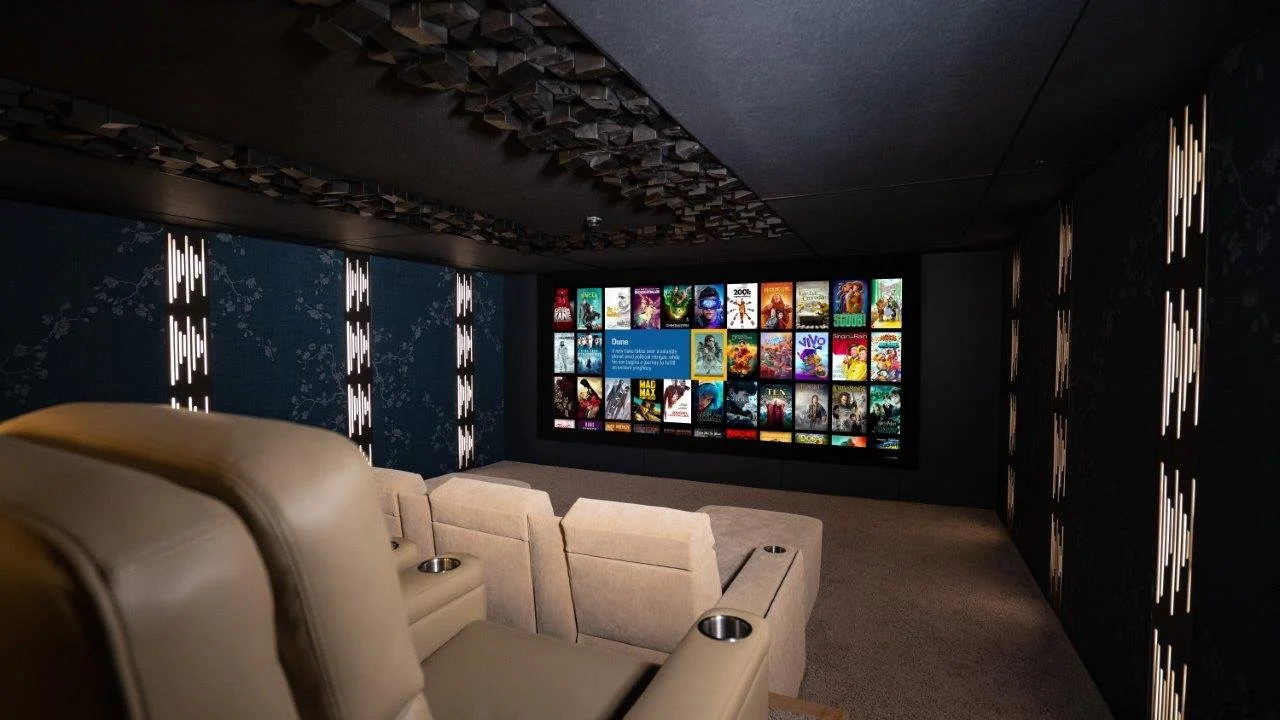
The Disappearing Cinema
One of the defining characteristics of a truly luxury installation is how little technology is visible.
Behind acoustic fabric, a room can contain an extensive loudspeaker array, acoustic treatment, cabling infrastructure and specialist hardware while appearing visually simple.
In-wall and in-ceiling loudspeakers can be concealed behind architectural finishes.
Projectors can be hidden within dedicated enclosures.
Equipment can be located remotely within a professional AV rack, often in another room entirely.
Cabling can be carefully structured and labelled during installation, with dedicated infrastructure for HDMI, networking, control, audio and video distribution.
The finished room can therefore feel more like a beautifully designed interior than an equipment installation.
Architectural Acoustics
A cinema room is ultimately an acoustic environment.
The geometry, construction materials, furnishings and finishes all influence how sound behaves.
Without appropriate acoustic control, reflections can reduce dialogue intelligibility, blur imaging and create an inconsistent listening experience.
A properly engineered room can use a combination of absorption, diffusion, bass management and controlled reflection to achieve an acoustic balance suitable for cinema playback.
Acoustic treatment can be integrated discreetly into the architecture using fabric walls, feature panels, timber elements and other bespoke finishes.
The result is a room that looks considered while providing a significantly more controlled acoustic environment.

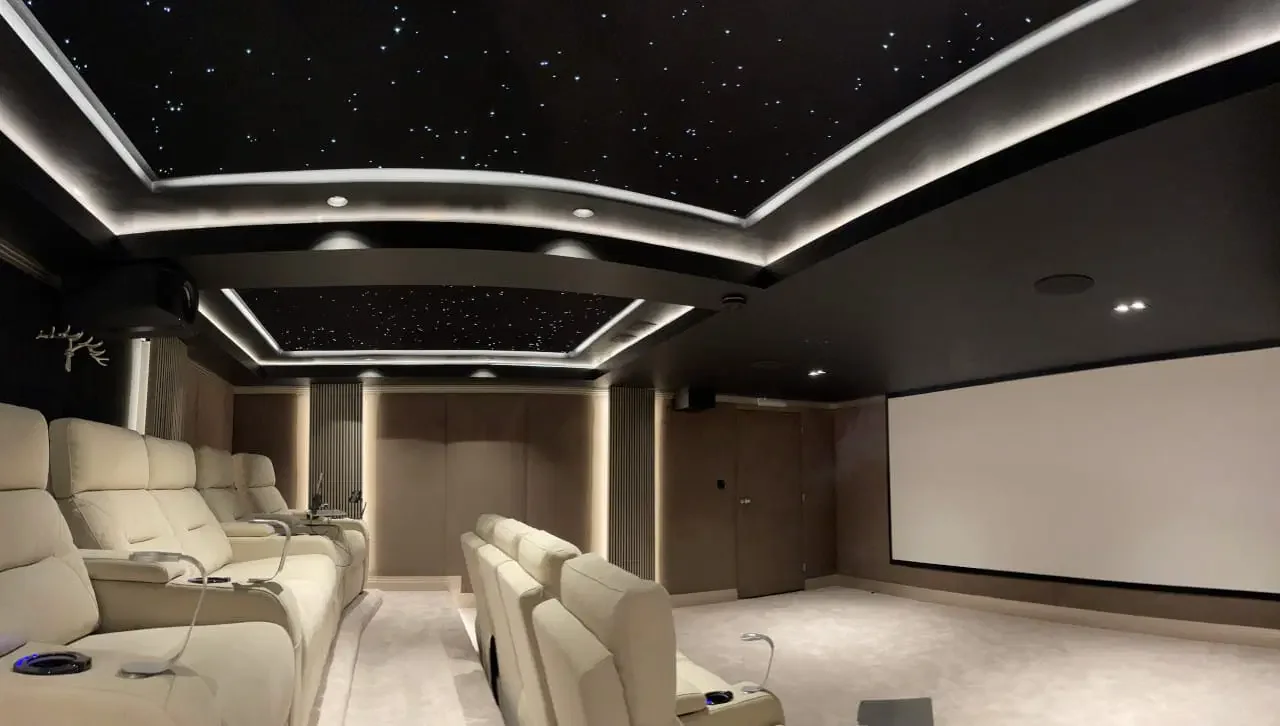
Fibre-Optic Star Ceilings and Architectural Lighting
Lighting is another area where technical performance and interior design increasingly overlap.
Fibre-optic star ceilings can create a subtle celestial effect while becoming a defining feature of the room.
Integrated LED lighting, concealed linear illumination, wall washing and architectural accent lighting can then be incorporated into programmable scenes.
The lighting does more than illuminate the room.
It helps establish the visual atmosphere before, during and after a film.
One Room, Multiple Experiences
The modern cinema does not necessarily have to be limited to films.
A dedicated room can be configured as a cinematic screening environment, high-end gaming space, sports viewing room, music listening environment or social entertainment area.
Automation makes these different experiences effectively invisible to the user.
A Movie scene can activate the projector or LED wall, select the appropriate source, configure the audio processor, lower the lighting and close motorised blinds.
A Gaming scene can switch display modes, alter lighting and select a different audio configuration.
A Sports scene might introduce brighter architectural lighting and a different viewing profile.
Everything can be controlled from a dedicated touch panel, handheld remote, smartphone or automated interface.

Intelligent Home Cinema Automation
The objective of automation is not to give homeowners hundreds of buttons.
It is to remove complexity.
Platforms such as Control4 and other professional control systems can integrate the cinema with lighting, motorised shades, HVAC, power management and wider smart-home systems.
This can extend beyond the cinema itself.
A homeowner can arrive home, select a single scene and have the entire entertainment environment prepared automatically.
Automation can also incorporate system monitoring, equipment status and fault reporting, helping to protect the investment and simplify ongoing ownership.
The Importance of Network Infrastructure
Modern cinemas are increasingly dependent on networking.
Streaming platforms, Kaleidescape, control systems, lighting processors, AV-over-IP distribution, firmware updates and remote support can all depend on a reliable network infrastructure.
For this reason, networking should be considered part of the cinema design rather than an afterthought.
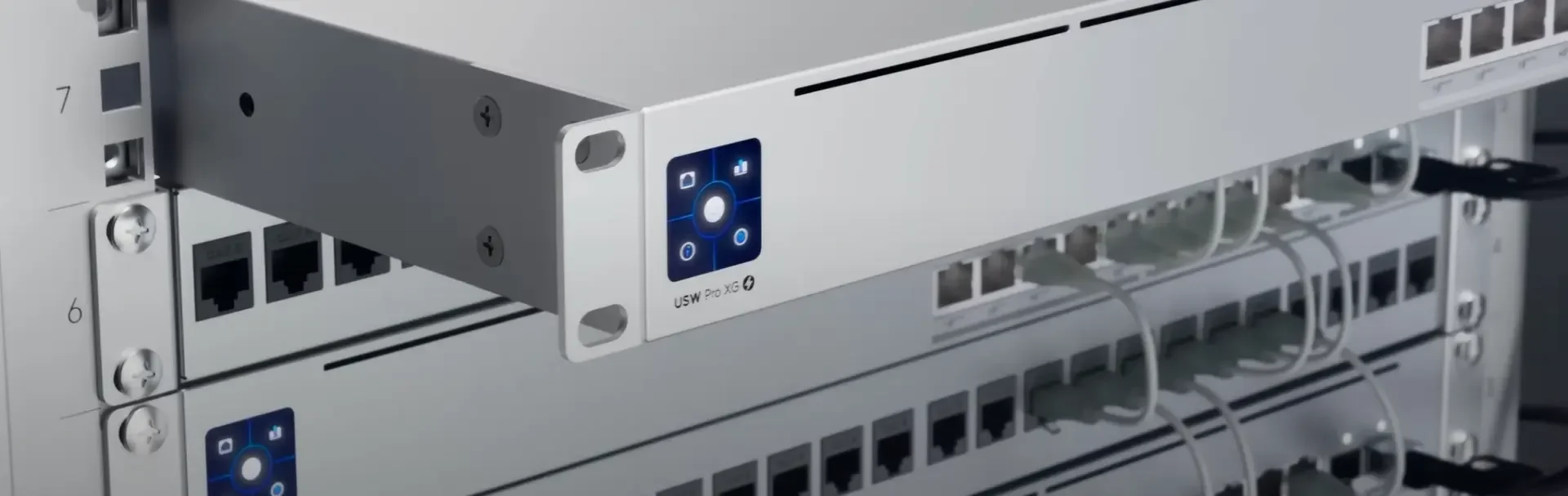
Managed Ethernet switching, high-quality wireless infrastructure, VLAN configuration, appropriate IP addressing and structured cabling can all contribute to system reliability.
For larger installations, dedicated network infrastructure can also provide greater separation between entertainment, automation, security and general household devices.
The Brands Behind the Experience
Luxury cinema projects frequently incorporate some of the most respected names in professional and residential AV.
Dolby provides the immersive audio technologies and formats that underpin modern object-based cinema sound.
Barco Residential develops high-performance display technologies, including premium projection and large-format LED solutions designed for demanding residential environments.
Kaleidescape provides a reference-quality platform for premium movie playback.
Trinnov Audio specialises in advanced immersive audio processing, room optimisation and reference-level system calibration.
StormAudio provides high-performance immersive processors and amplification designed for sophisticated home cinema applications.
These brands are not selected simply because they are prestigious names.
The correct equipment depends on the room, the architecture, the target performance level and the way the client intends to use the space.
Engineering the Complete Experience
A high-end cinema is ultimately a system of systems.
The display must work with the video processor.
The processor must work with the source equipment.
The loudspeakers must work with the acoustics.
The subwoofers must work with the room.
The automation system must work with everything.
And all of it must remain reliable, serviceable and straightforward to operate.
This is why our approach begins with the room rather than the equipment list.
We assess the physical environment, establish the desired viewing experience, determine the required acoustic and visual performance and then engineer the technology around those objectives.
Your Cinema. Your Environment. Your Experience.
The future of luxury home cinema is not about adding more technology for the sake of it.
It is about using technology intelligently.
Higher channel counts, object-based audio, precision calibration, large-format LED, laser projection, HDR, advanced acoustics and intelligent automation are all tools that allow us to create a more convincing and immersive experience.
When these technologies are properly integrated, they stop feeling like individual components.
They become one complete environment.
At UK Home Cinemas, we design and install bespoke cinema environments that combine engineering precision with exceptional design, creating private cinemas that are technologically advanced, acoustically controlled, visually extraordinary and effortless to enjoy.
Because the ultimate luxury is not owning more technology.
It is experiencing everything exactly as it was intended.